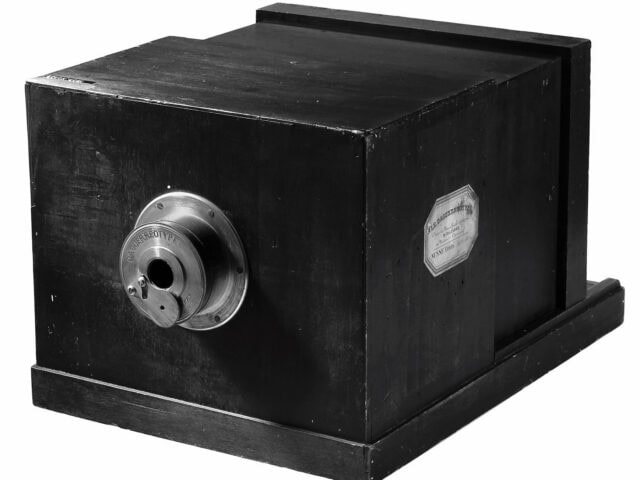
The Race to Sell the World’s First Camera

The 1839 Susse Frères Daguerréotype I came across what might be the first camera you could actually buy at the excellent Westlicht permanent exhibition in Vienna. The museum displays an impressive collection of 360 cameras and also hosts a 3D...
Read More
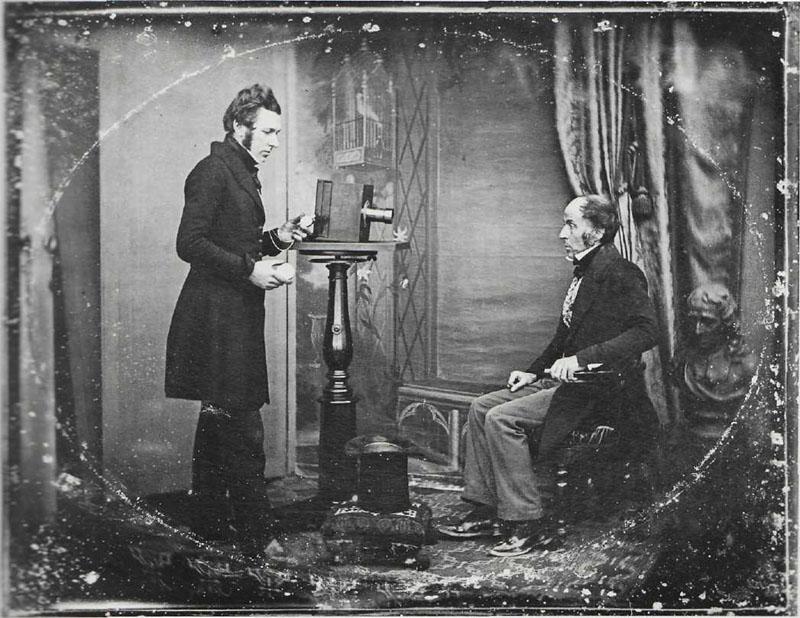
The Short Lived, Hazardous Jobs of the Daguerrotype Era

Few people today are familiar with the work of the plate polisher. This is unsurprising, given how quickly this role came and went. The plate polisher was one of the roles created by Daguerre’s new 1839 photographic process, which produced a small,...
Read More
From Wet to Dry: The Gelatin Dry Plate Era, 1870s–1900s

The gelatin dry plate, introduced in the 1870s, was a major milestone in photographic history. Unlike the wet collodion process, which required plates to be sensitized, exposed, and developed while still wet, dry plates were factory-prepared and could be stored for...
Read More
Made with Collodion: The Media that Shaped An Era

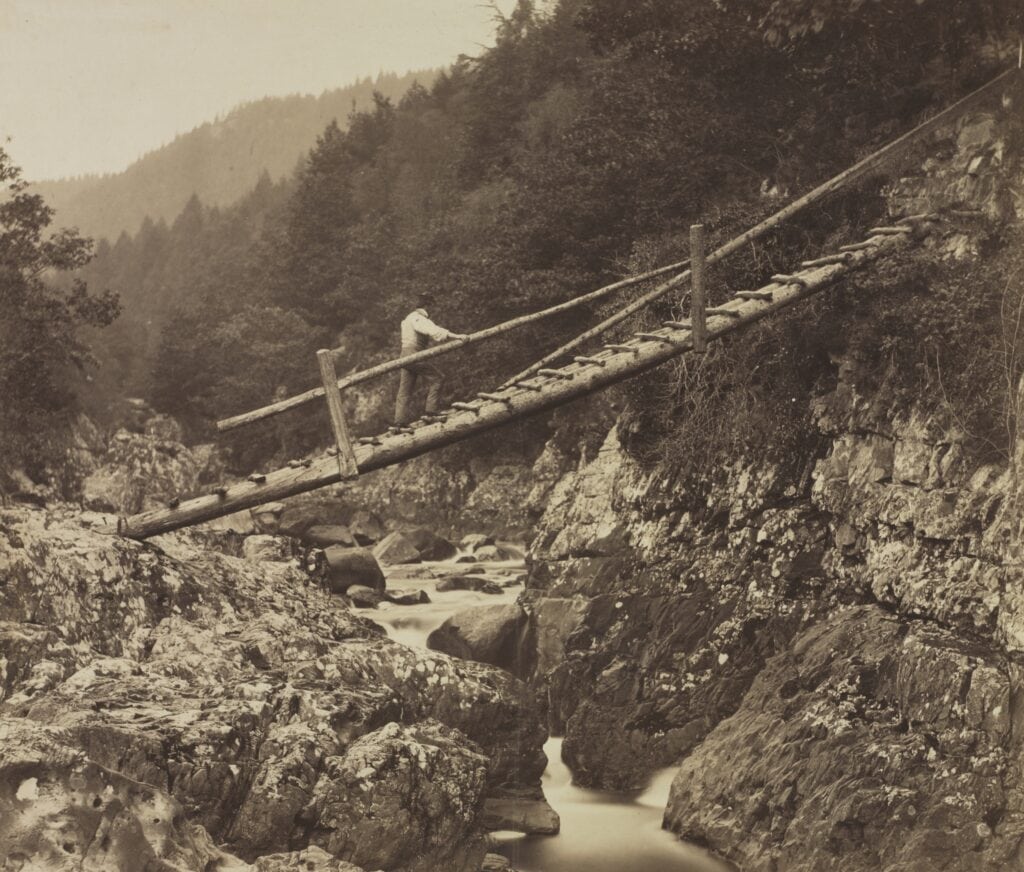
The Miners' Bridge, on the Llugwy, North Wales, Roger Fenton, 1853, collodion/albumen (Source: Wikipedia Commons) The collodion process of 1851 transformed how images were made, shared, and preserved. It was also known as wet-plate photography and involves coating a piece...
Read More
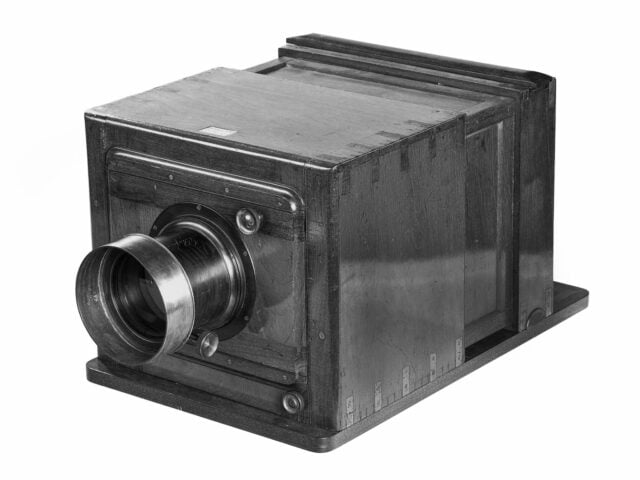
The Life and Cameras of Thomas Ottewill

For his influence as a camera maker, Thomas Ottewill is biographically elusive. We have examples of his cameras, but we know little about his business, less about his family life and nothing at all about his final years and death....
Read More
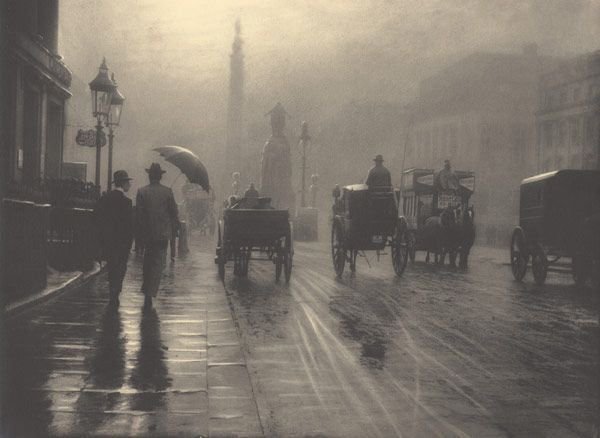
When Photos Looked Like Paintings – Pictorialism

Waterloo Place by Leonard Misonne (1899) There is something magical to me about pictorialist photography, particularly urban pictorialism, as shown here in Leonard Misonne's accomplished example from 1899. Here, Horse-drawn carriages seem to dissolve into the luminous haze, while lamplight...
Read More
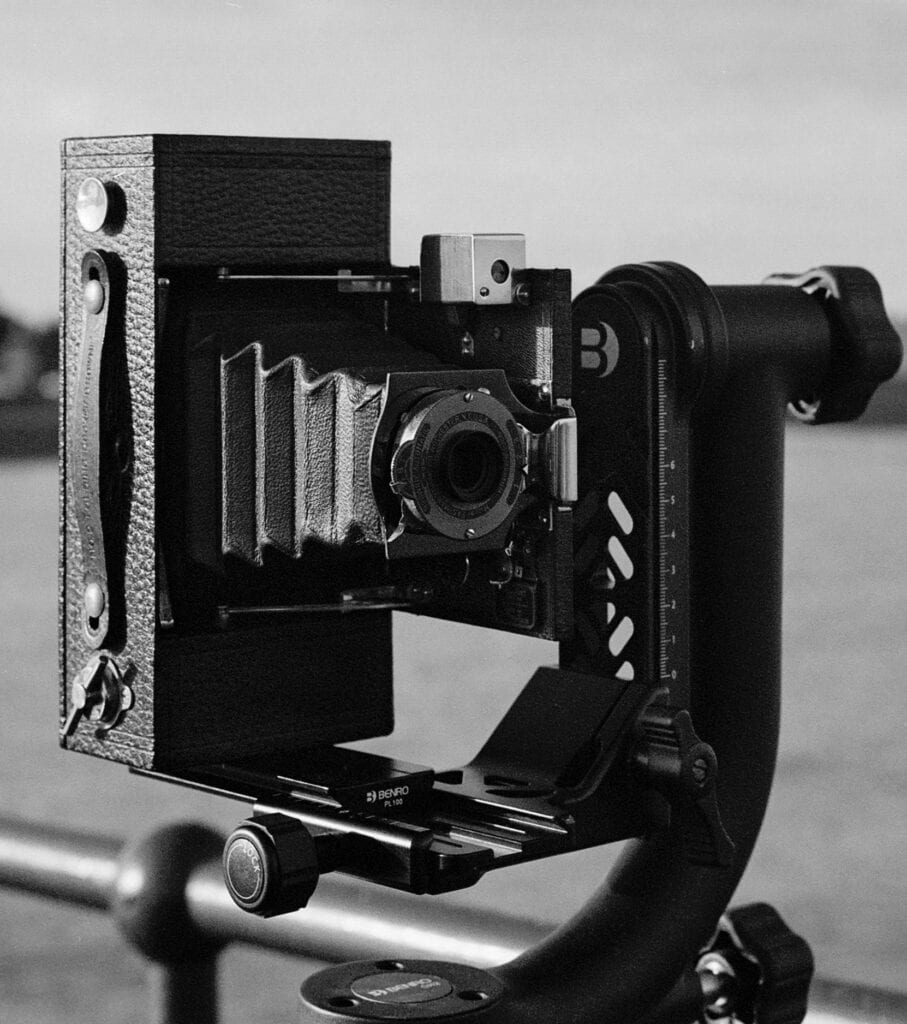
The Kodak No 2 Folding Pocket Brownie

The No. 2 Pocket Brownie on Deal Pier. Gimbal head not required! The Kodak No. 2 Folding Brownie was introduced in 1904 as part of the the Folding Brownie series. This was Kodak's least expensive folding roll film camera range...
Read More
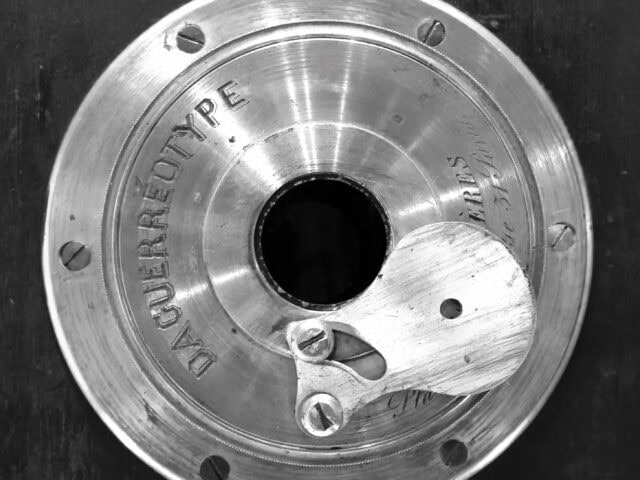
The First Camera Lens

The first camera lens specifically for photography was an achromatic landscape lens produced by French optician and instrument maker Charles Chevalier's optical firm. Chevalier produced lenses for photographic pioneers Nicéphore Niépce and Louis Daguerre, who both used his lenses for...
Read More

The Kodak No 2 Folding Autographic Brownie

The Kodak No 2 Folding Autographic Brownie has couple of unique points of interest. The front plate is engraved with tiny text that describes the rather eccentric ‘Autotime’ system, and there is a stylus on the back to engrave notes...
Read More
Early Cameras, a Timeline

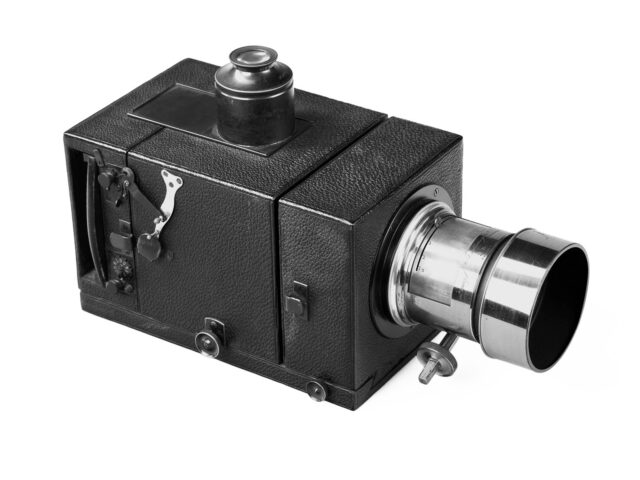
This timeline of early cameras describes significant photographic milestones and early cameras representative of their year of introduction between the inception of photography and 1900. I've also provided an overview of the most important developments decade by decade from 1840-1900...
Read More
Photography Timeline – From Chemistry to Computation

My Kodak No 2 Folding Autographic Brownie There are many strands in a photography timeline - the chemistry of film and processing, the physics of optics, the mechanical engineering of shutters, the electronics of metering and digital photography, and the...
Read More
Wet Plate Photography – Alcohol, Ether and Gun Cotton

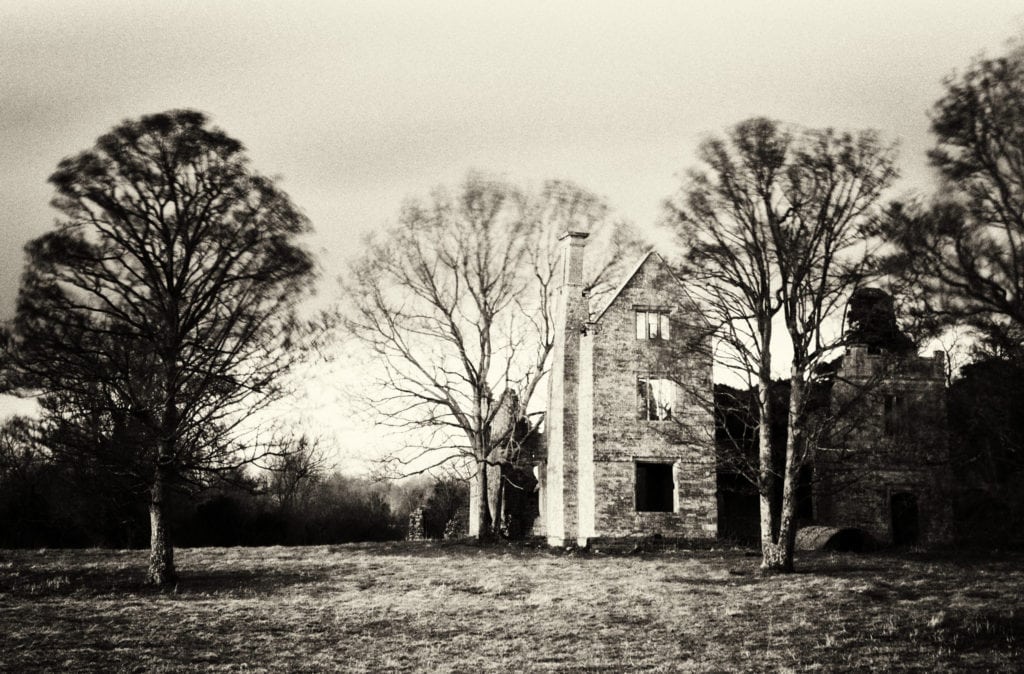
AKA Gun Cotton Photography Wet plate photography was not easy. The wet-plate collodion process used between the 1850s and 1880s uses a solution of gun-cotton in ether and alcohol and requires the entire photographic process including coating the plate, exposing...
Read More
Fox Talbot and Early Photography

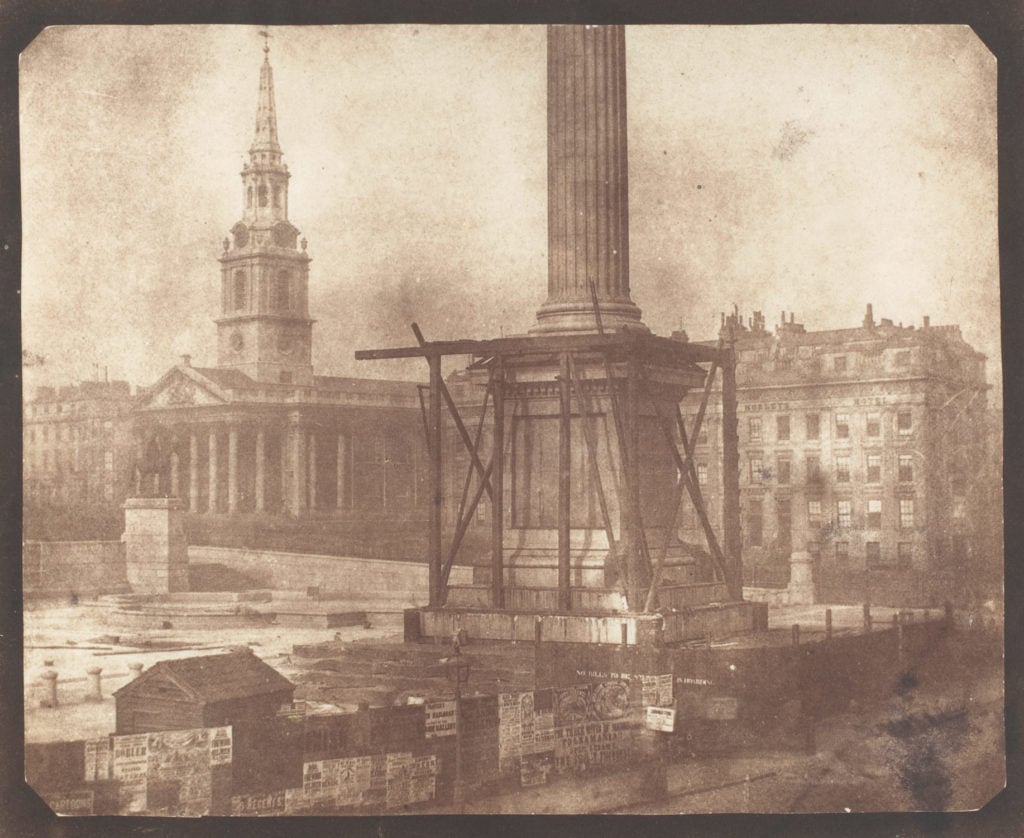
Fox Talbot at dawn The recent exhibition Fox Talbot: Dawn of the Photograph at the Science Museum in London which ended on September 11th 2016 was described as ‘magical to behold’ by Time Out and ‘ground-breaking’ by The Times. I found it extremely...
Read More